

Understanding Your First Salary: Tax, Deductions, and Take-Home Pay
Confused by payslips and tax deductions? We break down what’s actually coming out of your salary and why.
Read ArticleSaving for a house feels impossible at first. Here’s how to break it down into realistic milestones and actually reach your down payment goal without sacrificing your lifestyle.

Let’s be real — when you see house prices in Malaysia, your first instinct is probably to give up before you even start. A down payment of 10-20% on a property in Kuala Lumpur or Selangor can mean hundreds of thousands of ringgit. That’s genuinely a lot of money.
But here’s the thing: you don’t need to save it all at once. Most people who successfully buy their first home don’t earn huge salaries. They just break down the goal into smaller chunks and stay consistent. We’re talking 3-5 year timelines, not overnight miracles.
This guide walks you through a realistic framework that actually works. It’s designed for young professionals earning between RM3,000-RM7,000 monthly — the actual salary range most first-time buyers have in Malaysia.

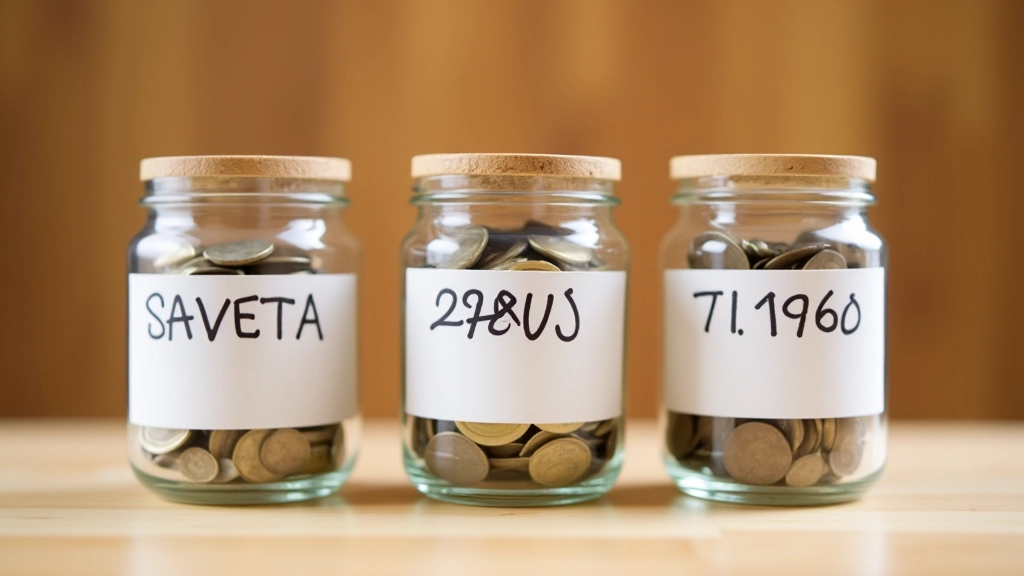
Successful first-home savers don’t just throw money into an account. They work with three separate buckets that serve different purposes. You’re going to understand exactly what goes where and why it matters.
This is your safety net — typically 3-6 months of living expenses set aside in a high-yield savings account. Don’t touch this. Ever. Most Malaysians skip this step and regret it when car repairs or medical bills hit. You won’t be one of them.
This is where long-term wealth happens. Unit trusts, stocks, or ETFs invested for 3+ years can genuinely grow. If you’ve got RM500-RM1,000 monthly to invest, you could see 6-8% annual returns over a 5-year period. That’s meaningful compounding.
This is your dedicated house fund. It goes into fixed deposits or money market accounts where it’s safe and earning a guaranteed 3-4% annually. No risk, steady growth. Boring is good here.
Here’s what a real progression looks like for someone earning RM4,500 monthly:
You’re setting up your emergency fund (RM12,000) and starting your down payment vault with RM500 monthly. That’s RM6,000 saved. You’re not depriving yourself — you’re just being intentional. Most people waste RM500 monthly on subscriptions and delivery they forget about anyway.
Your emergency fund is solid. Now you’re saving RM800 monthly (increased from RM500 after a small raise). That’s RM9,600 for the year. Your fixed deposit from Year 1 is now earning compound interest. Total accumulated: approximately RM16,000.
You’ve gotten better at budgeting. You’re saving RM1,200 monthly now. That’s RM14,400 per year. You might’ve also received a bonus or gotten a slightly better job. Your total fund hits around RM35,000-RM40,000 depending on interest rates.
You’ve been consistent for four years. You’re saving RM1,500 monthly. Combined with interest and any windfalls, your total is now RM55,000-RM65,000. That’s a legitimate 10-15% down payment on a RM400,000-RM600,000 property. You’re ready to talk to a bank about a mortgage.

Knowing you need to save RM500-RM1,500 monthly is one thing. Actually finding that money is different. Here’s how real people do it.
You don’t need to live on instant noodles. But you probably are spending money on things you’ve stopped noticing. Stream subscriptions you don’t use (RM15-RM50 monthly). Food delivery habits (easily RM300+ monthly if you’re doing it 3-4 times weekly). Gym memberships you haven’t visited in six months (RM80-RM150 monthly). That’s RM400-RM500 right there without actually changing your quality of life.
This is the part people skip. Cutting expenses gets you to maybe RM500-RM800 monthly savings. To hit RM1,200-RM1,500, you need more income. That could be a side project (freelance writing, tutoring, social media management — genuinely RM500-RM1,000 monthly if you’re disciplined). It could be pushing for a promotion or switching jobs for a salary bump. Most companies won’t give you raises above 3-5% annually, but switching jobs can net you 10-20% more. That’s RM450-RM900 extra monthly right there.
Malaysia’s EPF (Employees Provident Fund) allows you to withdraw funds for first-home purchases. You can pull out to 90% of your account balance or your total balance minus RM1,000, whichever is lower. Many young professionals have RM30,000-RM50,000 sitting in EPF by their late twenties. That’s legitimate down payment money. Don’t forget this option exists.

Saving RM500-RM1,500 monthly for 4 years requires systems, not willpower. Willpower fails. Systems work.
Set up automatic transfers from your main account to your down payment savings account on payday. You won’t miss money you never see in your checking account. It’s the oldest trick and it still works.
Open your down payment fund at a different bank. Sounds simple, but the friction of logging into another bank makes you less likely to dip into it impulsively. Plus, you get better rates on fixed deposits or money market accounts at specific banks.
You don’t need fancy software. A simple spreadsheet showing your goal (RM60,000), your current amount (RM25,000), and your progress percentage (42% there!) is incredibly motivating. Seeing that percentage climb from 0% to 50% to 75% to 100% keeps you disciplined when motivation dips.
This sounds cheesy until you actually do it. Save a picture of a property you actually want (not just any house — a specific one). Put it on your phone wallpaper or above your desk. When you’re tempted to spend RM200 on something unnecessary, you see that house. Suddenly the choice is clear.

Saving for a down payment isn’t about deprivation. It’s about delayed gratification with a clear purpose. You’re not saying “I’ll never enjoy myself.” You’re saying “I’m choosing this house over random expenses that won’t matter in five years.”
The people who successfully buy their first homes aren’t earning double your salary. They’re just more intentional about their money. They’ve accepted that they can’t have everything right now, and they’re okay with that because they know what they’re saving for.
Start small. You don’t need to save RM1,500 monthly from day one. Start with RM300 or RM500. Build the habit. As your income grows and you cut unnecessary spending, increase the amount. Four years seems like a long time until you’re three years in and you can actually see the finish line.
Your first step is simple: open a separate savings account this week and set up one automatic transfer. That’s it. One small action. The rest builds from there.
This article provides educational information about savings strategies for first-time homebuyers in Malaysia. It’s not financial advice, and it’s not personalized to your specific situation. Your income, expenses, financial obligations, and goals are unique to you. Before making any major financial decisions — especially regarding mortgages, investments, or withdrawals from EPF — consult with a qualified financial advisor who understands your complete financial picture. Interest rates, property prices, and EPF regulations change regularly, so verify current information with official sources before acting on anything mentioned here.